Brain State Model

The Conscious Discipline Brain State Model

A multidisciplinary approach based on three distinct brain-body states in adults and children that drive behavior.

A Neurodevelopmental Model that Focuses on Internal States First and Behavior Second

The Conscious Discipline Brain State Model becomes a framework for us to understand the internal brain-body states that are most likely to produce certain behaviors in children and in ourselves. With this awareness, we learn to consciously manage our own thoughts and emotions so we can help children learn to do the same. The goal of this model is not to turn into neuroscientists, but to provide a simplified brain model as a means for increasing our self-awareness so we can respond consciously to the needs of the moment.

Our multidisciplinary approach surpasses behavioral approaches that teach specific behaviors, and offers a neuro-developmental model of the brain based on and adapted from the work of Bruce Perry, Daniel Siegel, Allan Schore, Louis Cozolino, Joseph LeDoux, Paul MacLean, and Alexander Luria.

Conscious Discipline’s Brain State Model

Conscious Discipline empowers us to be conscious of brain-body states in ourselves and children. It then provides us with the practical skills we need to manage our thoughts, feeling and actions.

With this ability to self-regulate, we are then able to teach children to do the same. By doing this, we help children who are physically aggressive (survival state) or verbally aggressive (emotional state) become more integrated so they can learn and use problem-solving skills (executive state). When we understand the brain state model, we can clearly see the importance of building our homes, schools and businesses on the core principles of safety, connection and problem-solving.

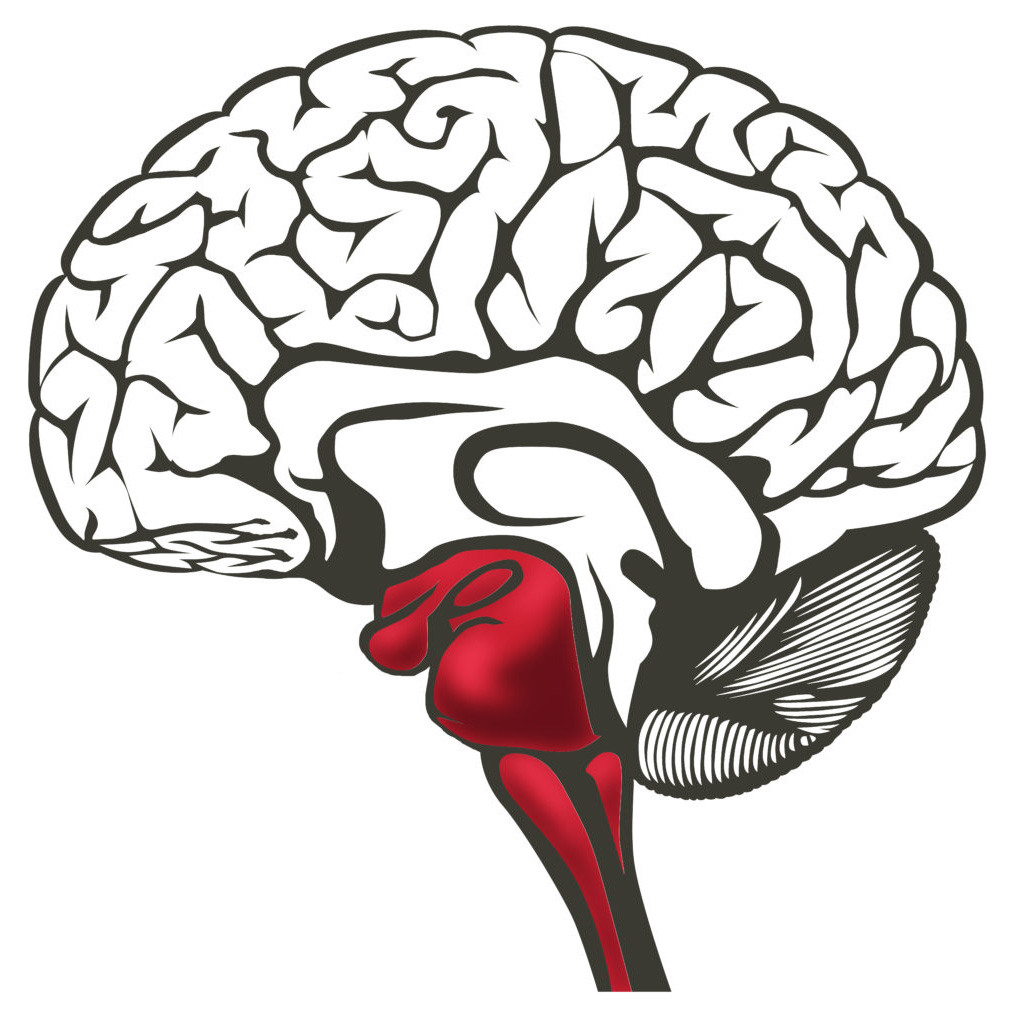
Survival State asks the question, “Am I safe?”

The only way to soothe the survival state is through the creation of safety.

In a survival state where we feel triggered by threat, these skills are flight, fight or surrender. We can’t think clearly when a tiger is chasing us. In the modern world, the tiger may be a disrespectful child, but our brain’s evolutionary skill set is the same: fight, flight or surrender.


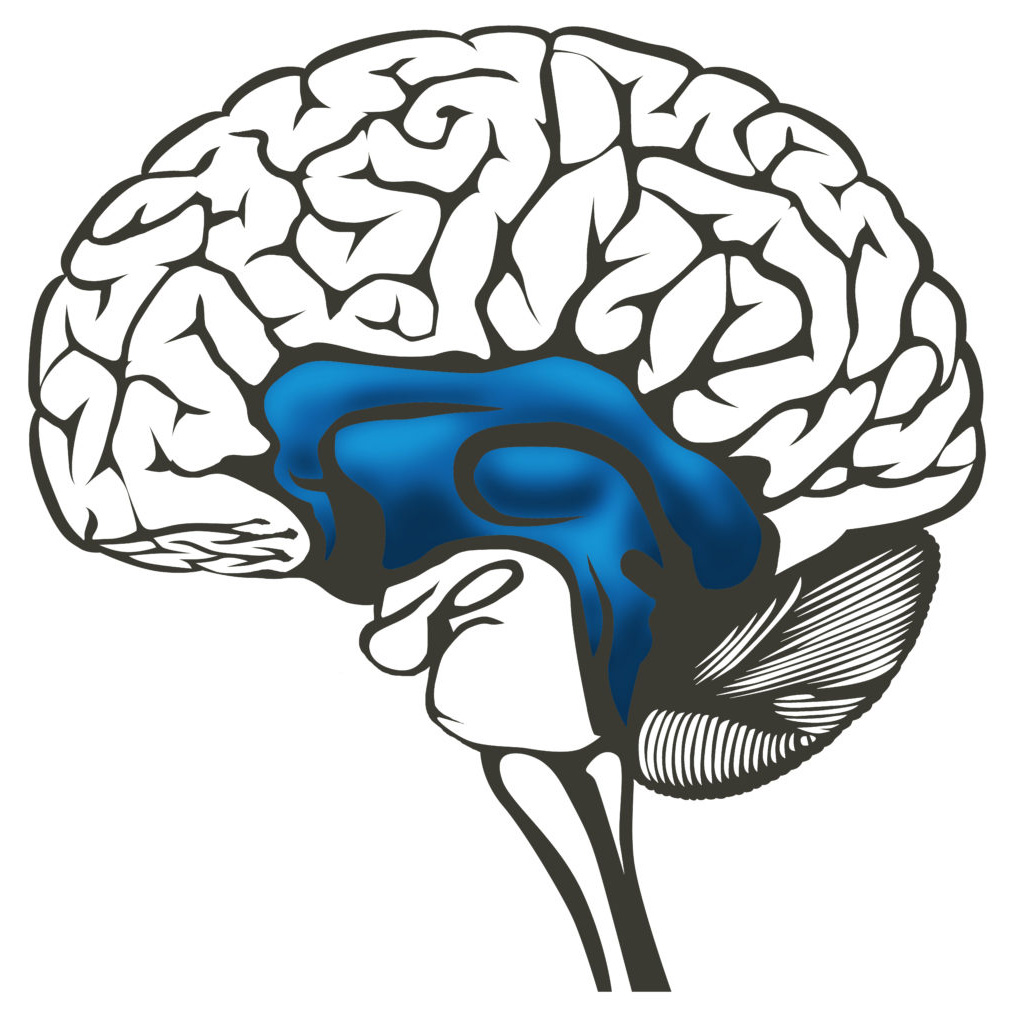
Emotional State asks the question “Am I loved?”

The only way to soothe an upset emotional state is through the creation of connection.

Emotional State is our response to upset – and can only be soothed through connection. An upset emotional state is triggered by the world not going our way. It limits our ability to see from another’s point of view. This upset, unconscious state keeps us on autopilot so our words and tone match those of key authority figures from our childhood. We revert to disciplining the same ways we were disciplined, even if we know these behaviors to be ineffective or hurtful.


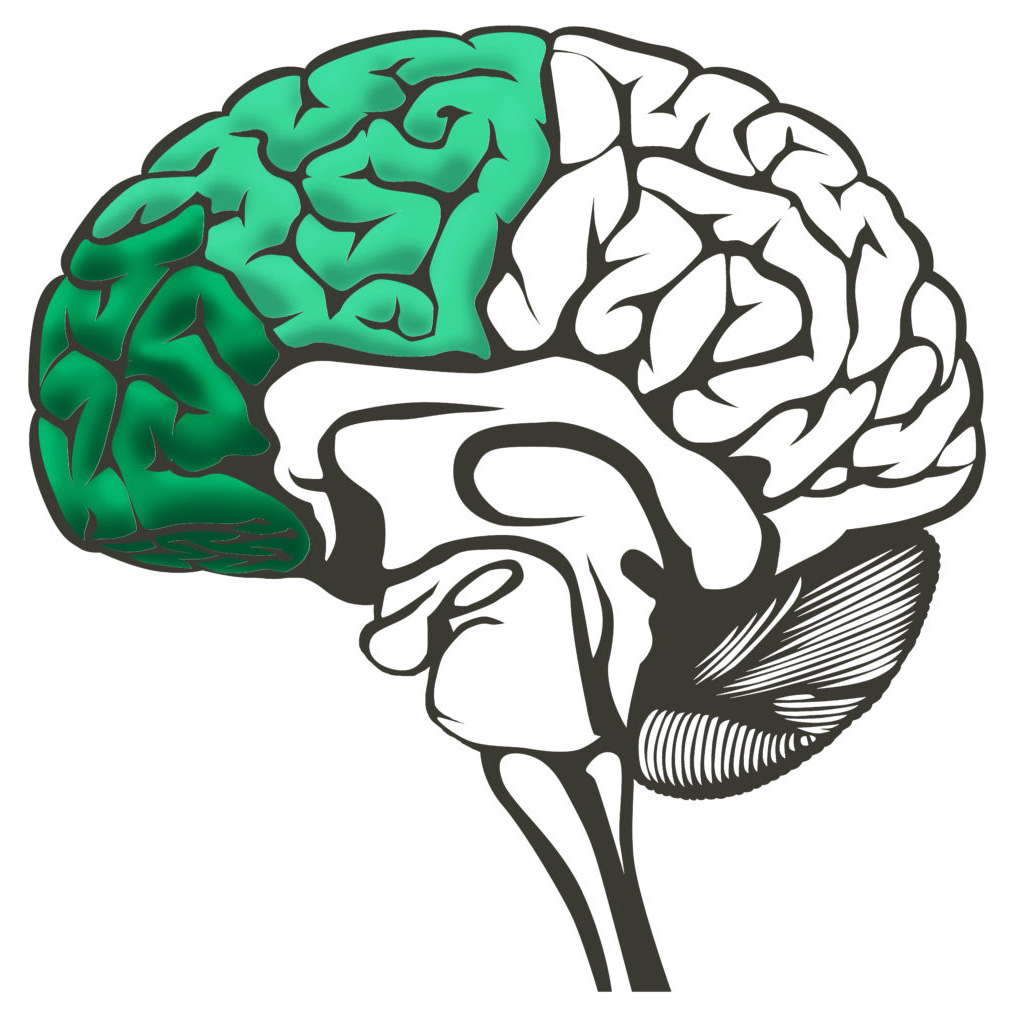
Executive State asks the question, “What can I learn?”

The Executive State is the optimal state of problem-solving and learning.

Conscious Discipline empowers us to be conscious of brain-body states in ourselves and children. It then provides us with the practical skills we need to manage our thoughts, feeling and actions. With this ability to self-regulate, we are able to teach children to do the same. By doing this, we help children who are physically aggressive (survival state) or verbally aggressive (emotional state) become more integrated so they can learn and use problem-solving skills (executive state). When we understand the brain state model, we can clearly see the importance of building our homes, schools and businesses on the core principles of safety, connection and problem-solving.

Executive State is the optimal state for problem-solving and learning. As we learn to regulate and integrate our internal state to be one of relaxed alertness, we are able access our own brilliance. We are empowered to change and make wise choices. An integrated executive state frees us from past conditioning, attunes us to the feelings and experiences of others, enables us to remain focused enough to set and achieve goals, and allows us to consciously respond instead of automatically react to life events.

More Conscious Discipline Methodology

Seven Powers

Conscious Discipline is based on mindfulness research and consists of Seven Powers for conscious adults that empower self-regulation.


School Family

The School Family increases connections between adults and children at all levels and learning. The School Family creates a positive culture and climate for optimal development and learning.

Seven Skills

Seven Skills of Discipline transform everyday discipline issues into teachable moments that develop social-emotional and communication skills.

Research

Learn more about the statistical findings, papers, assessments and research that support our evidence-based and trauma informed programs, structures and skills.


Safety, Connection and Problem-Solving

Survival State
Brain Stem

The Survival State represents the primal brain and asks the question, “Am I safe?” The only way to soothe the Survival State is through the creation of Safety.

Emotional State
Limbic System

This Brain State represents mid-level functionality and asks the question, “Am I loved?” The only way to soothe an upset emotional state is through Connection.

Executive State
Prefrontal Lobes

The Executive State represents the optimal state for problem-solving and learning. This Brain State asks the question, “What can I learn from this?”